
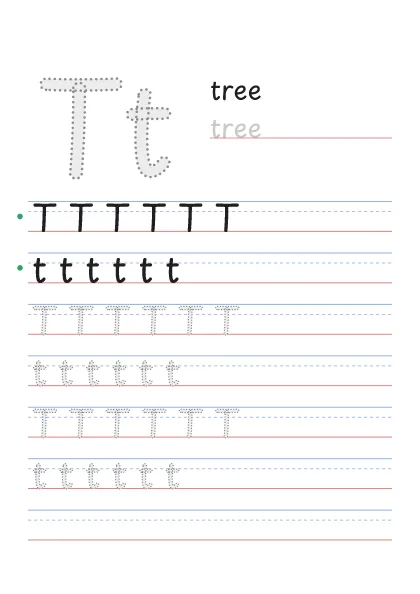
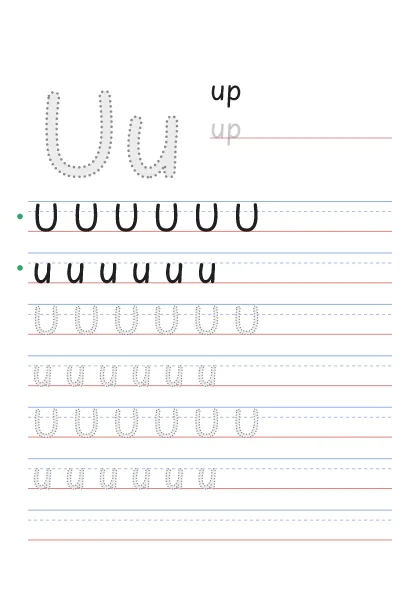
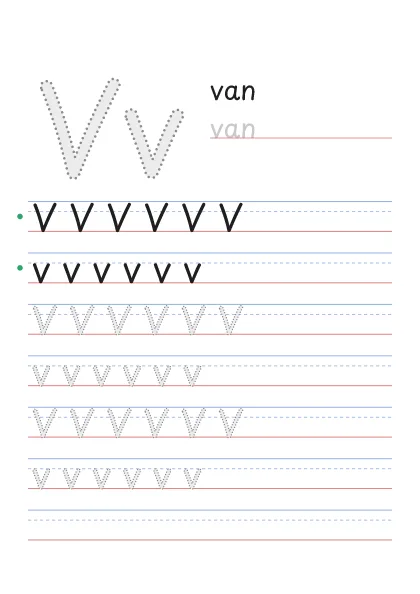
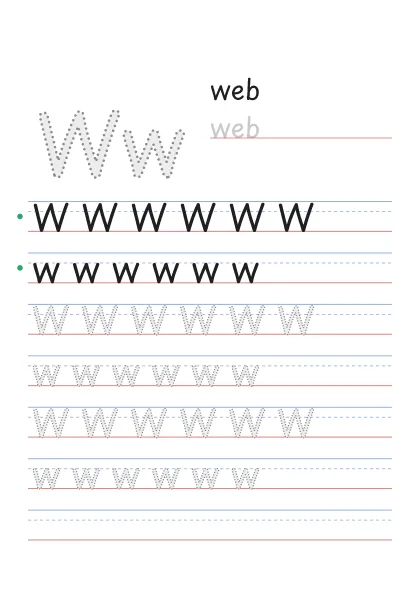
How each letter tracing worksheet works
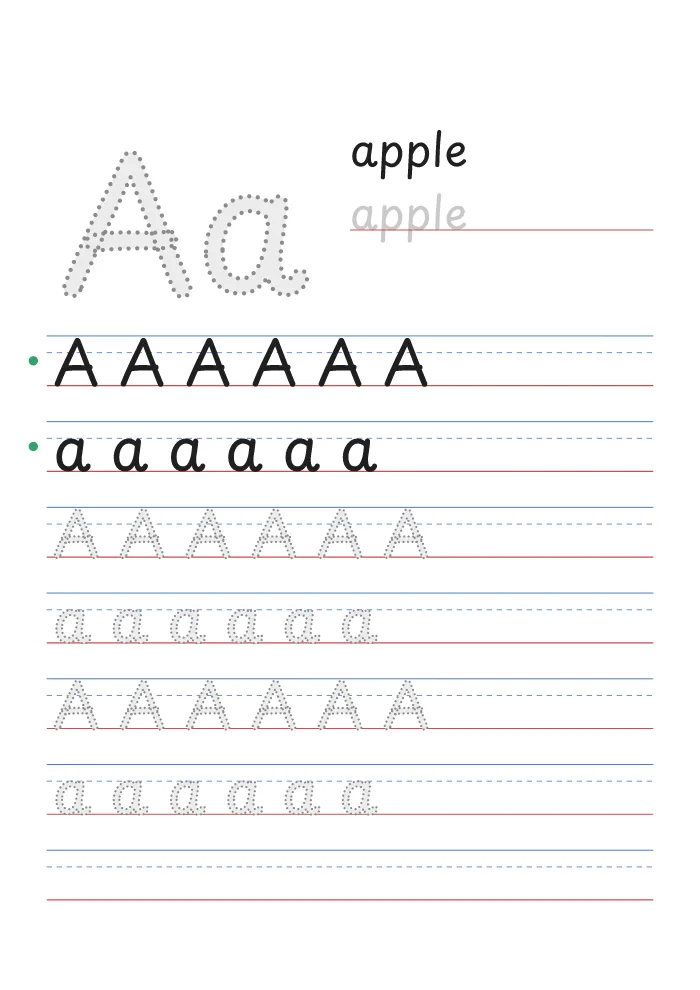
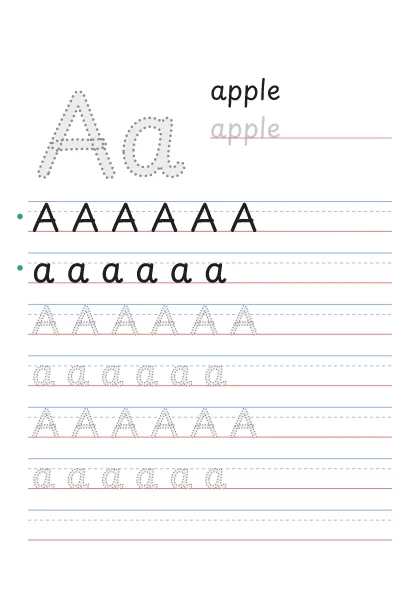
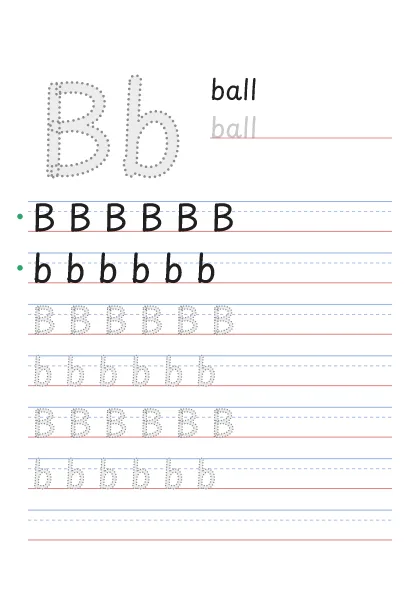
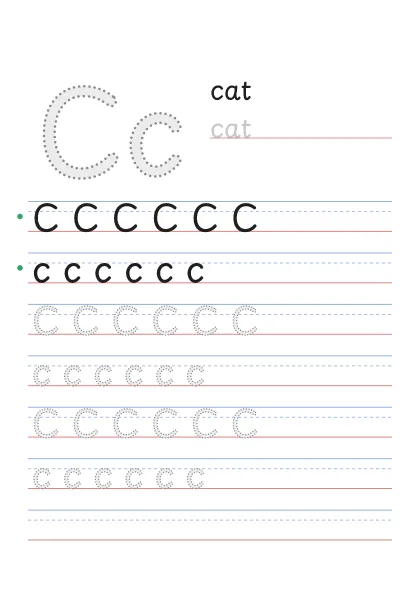
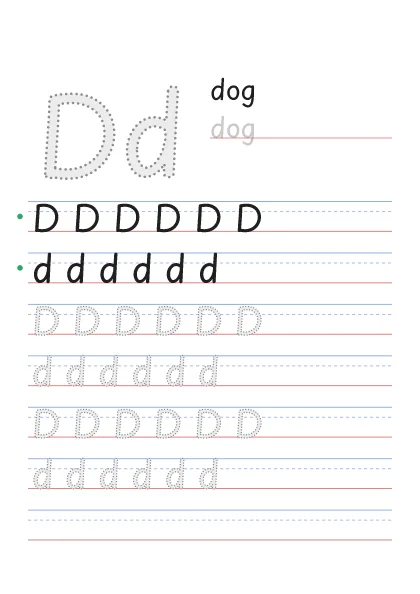
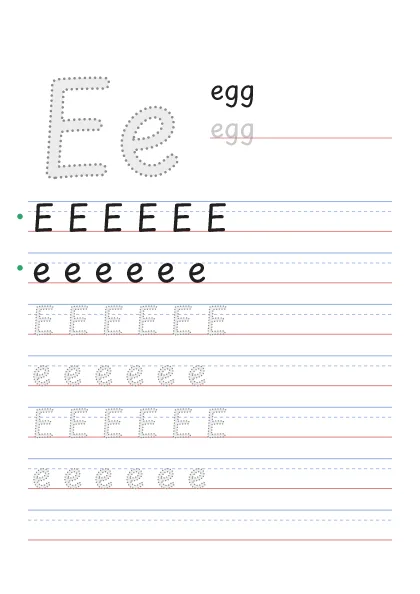
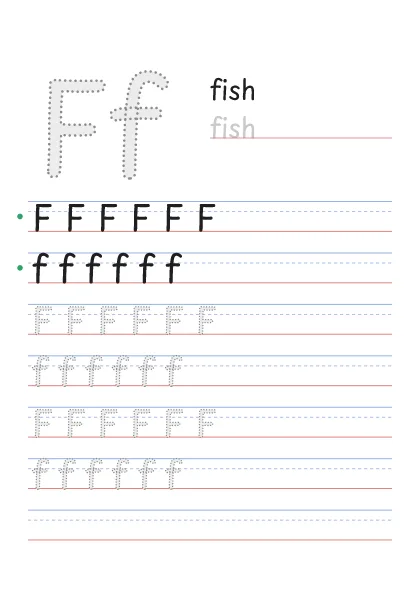
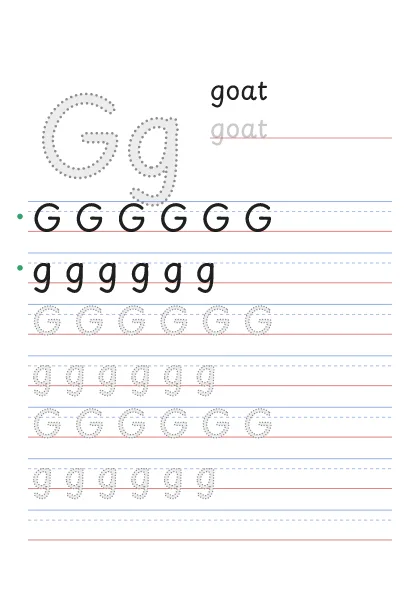
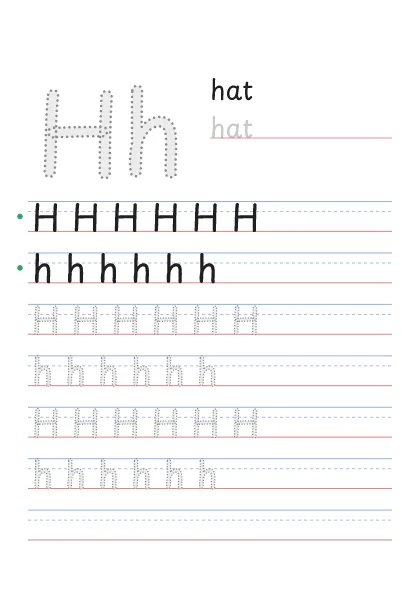
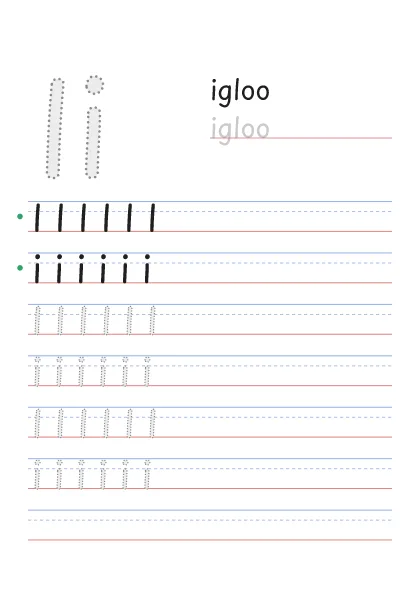
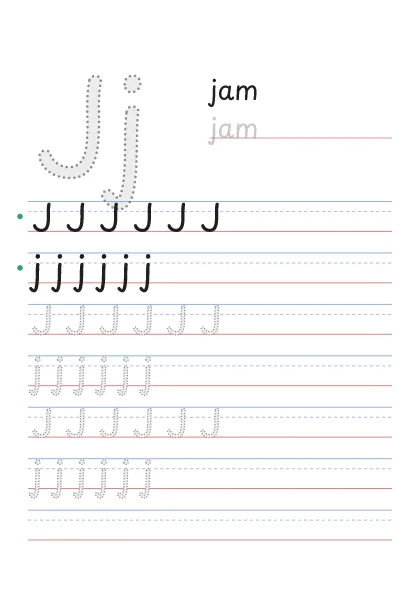
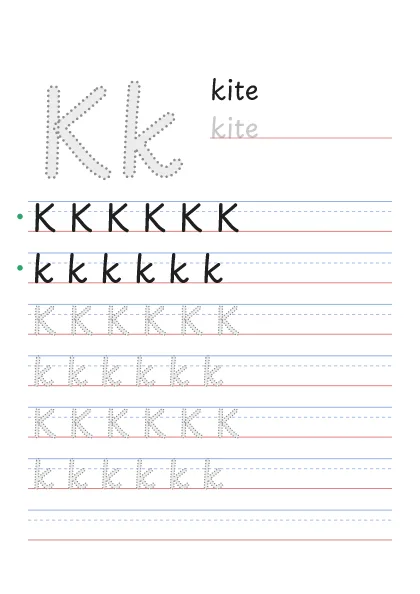
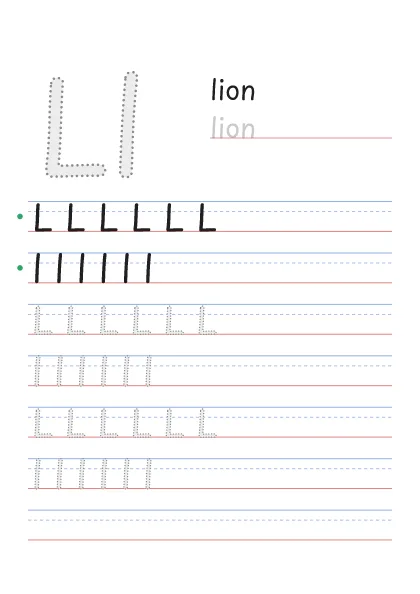
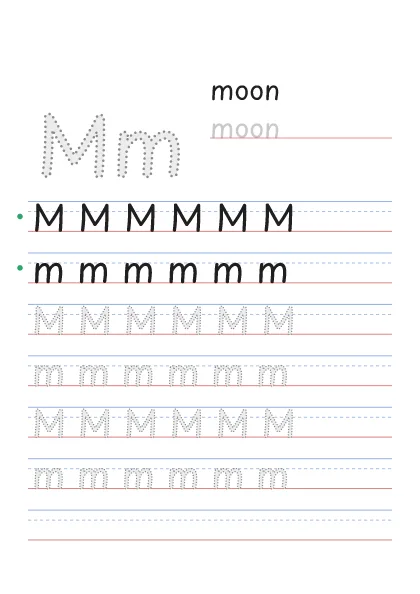
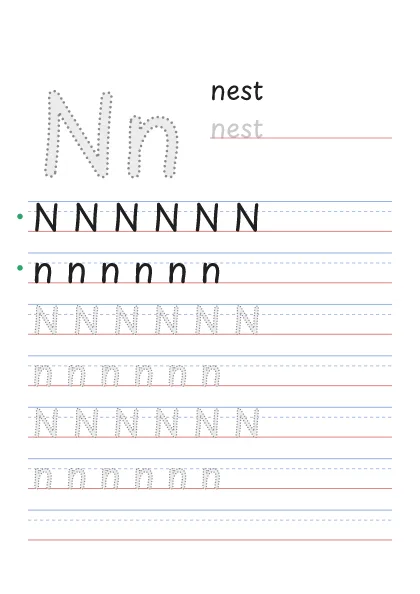
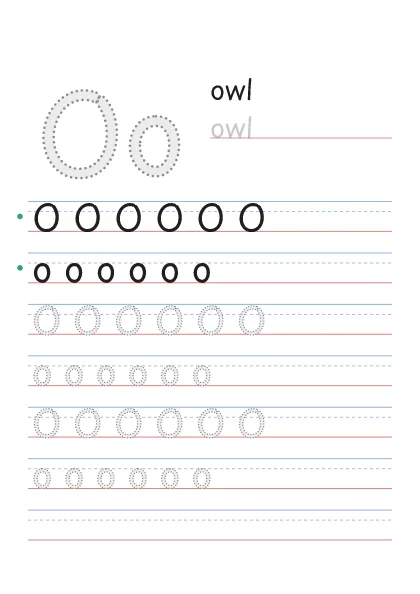
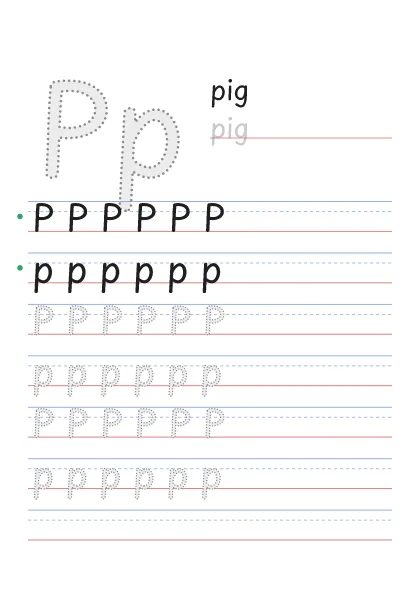
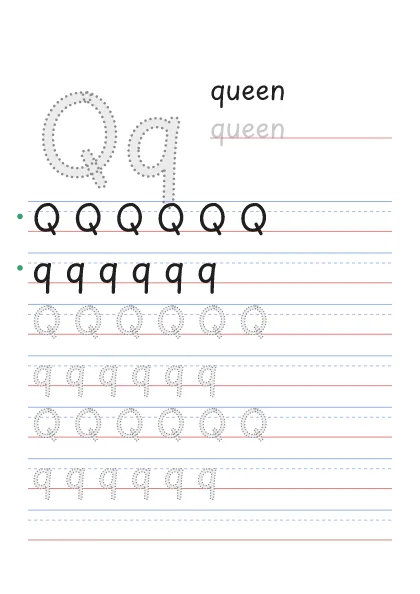
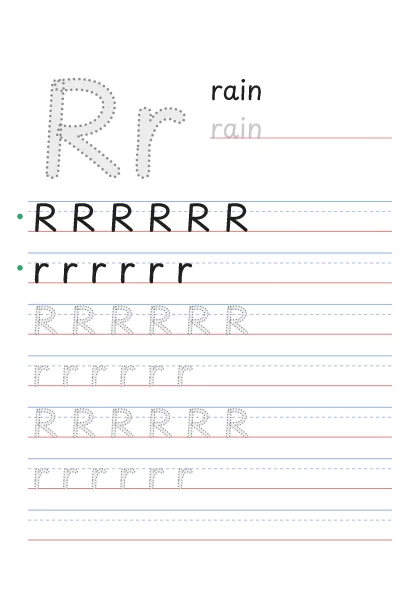
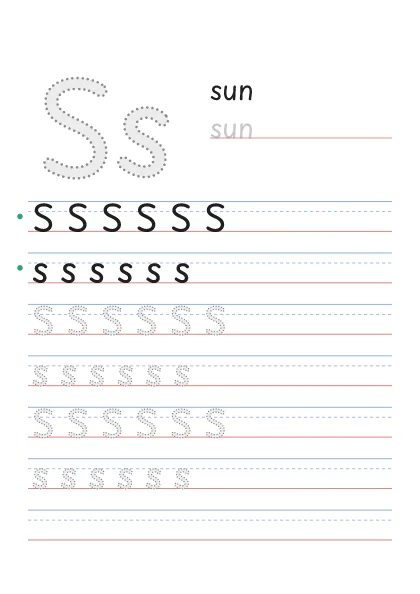
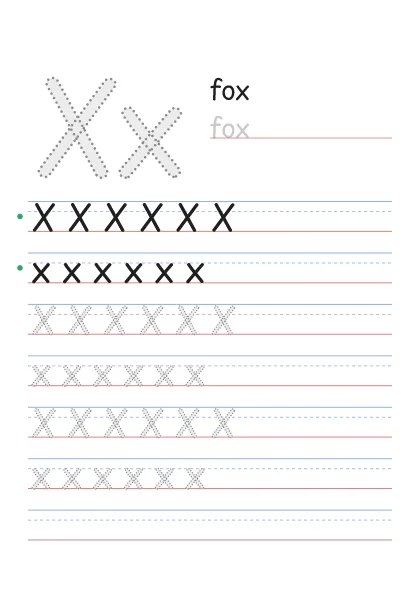
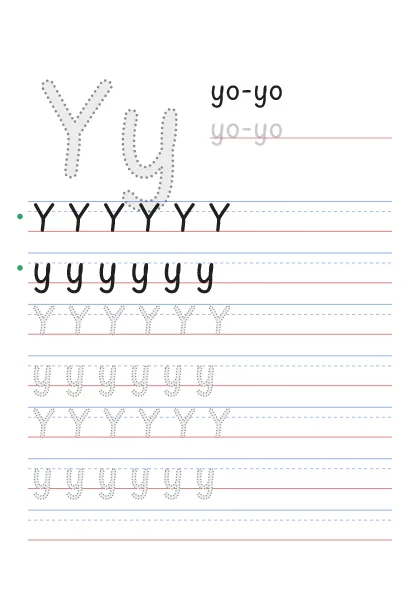
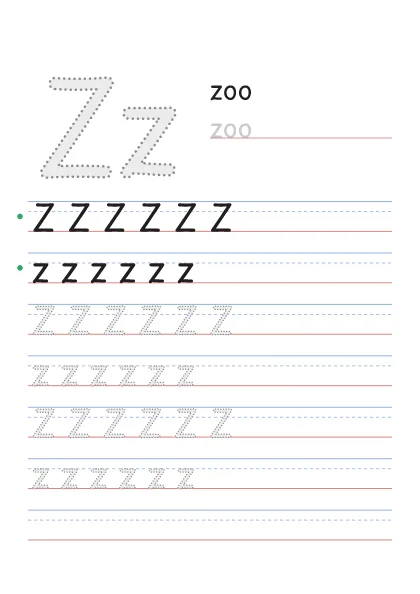
- Big letter: trace it with a finger first, then a crayon. It shows the whole shape at a size small hands can follow.
- Word: read the word together, say the first sound, then trace the gray word on its line.
- Model rows: the dark rows, marked with a green dot, show the finished capital and lowercase letter.
- Tracing rows: capital and lowercase rows take turns, so both forms get the same practice.
- Empty row: write the letter alone. If it looks like the tracing rows, the letter is learned.
Choose Capitals or Lowercase in the maker for one form only, which is useful when a child is learning capitals first or practicing the lowercase letters that cause trouble. Whole alphabet A–Z makes a 26-page PDF with your settings.
Letter tracing vs. alphabet tracing sheets
These worksheets teach one letter at a time with a word and a big letter, which suits preschool and the first weeks of kindergarten. The alphabet tracing worksheets are a simpler set with "A a A a" on every row and more rows per page, better for daily handwriting practice once the letter shapes are known.
In what order should children learn letters?
Many teachers group letters by how they are written rather than going A to Z. A common order for lowercase:
- Straight lines: l, t, i, then the capitals L, T, I, E, F, H.
- Round letters that start like c: c, o, a, d, g, q. All begin at the top and go round to the left.
- Down and bump: r, n, m, h, b, p. Pull down, then come back up and over.
- Slanted letters: v, w, x, y, k, z.
- Tricky ones: s, e, f, j, u last.
Start with the letters in your child's name: they mean the most and get practiced naturally. A name tracing worksheet is the natural next step.
b and d, p and q: help with reversals
Mixing up b and d is normal until about age 7. Trace them on separate days, not side by side. For b, say "bat then ball": the line comes first, then the round part. For d, say "c then line": draw a c, then the tall line. The big letter at the top of each page makes the order of strokes easy to see.
Cursive letter tracing
Switch Handwriting to Cursive for joined school cursive letters with the same layout. Cursive letters have entry and exit strokes, so start with c, a, d, g (all from the same curve), and keep using big rows. Once single letters are easy, move on to short words in the name tracing maker, which handles any word.
More tracing: number tracing, shapes and pre-writing lines. For fun big letters to color, see printable bubble letters.