
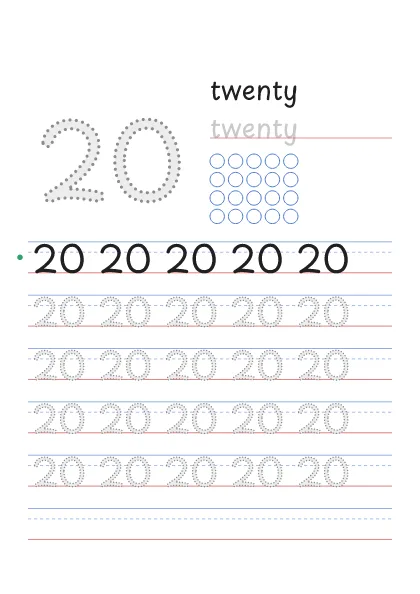
Number tracing worksheets

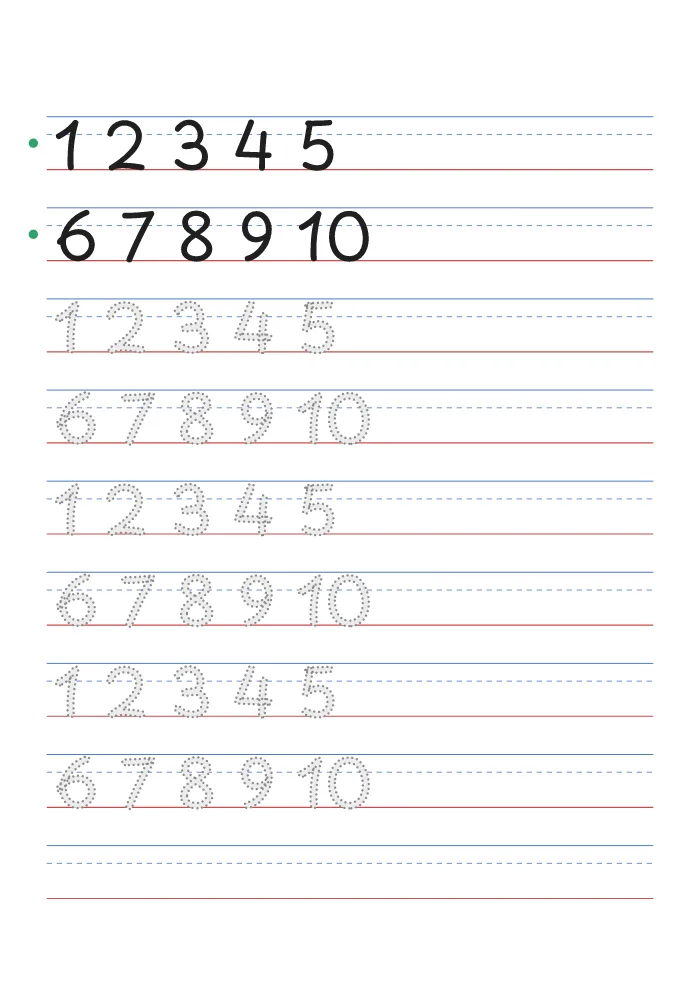
Free printable number tracing worksheets for preschool and kindergarten. Trace the numbers 1 to 10 or 1 to 20 on one page, or pick a single number and get a full page for it: a big number to trace, its word, circles to count and color, and rows of the number on handwriting lines. Make your own below or download the ready PDFs.

Numbers 1–10 (PDF) Numbers 0–20, one per page (21 pages)

Letters to trace
Handwriting
Paper

Free to print, no watermark.

Tracing worksheet preview

Tracing numbers 1–10, 1–20 and 0–9

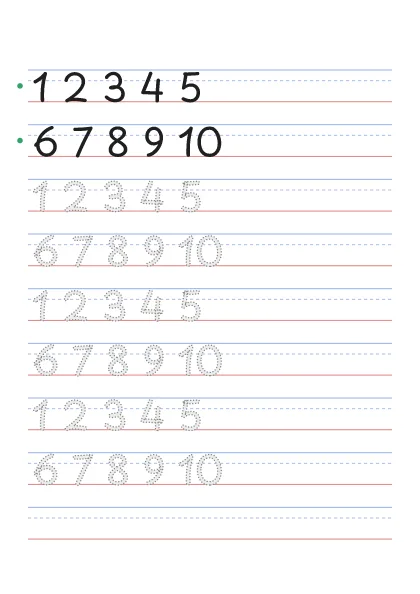
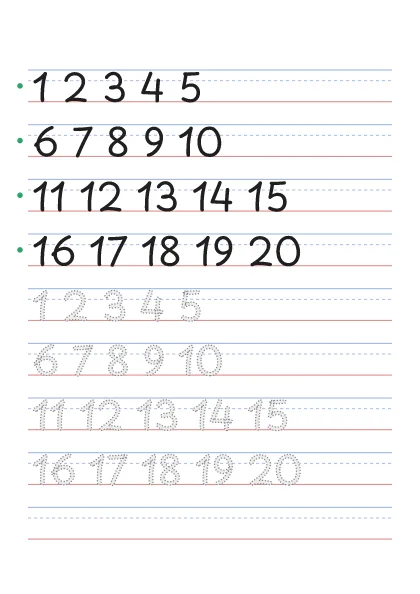
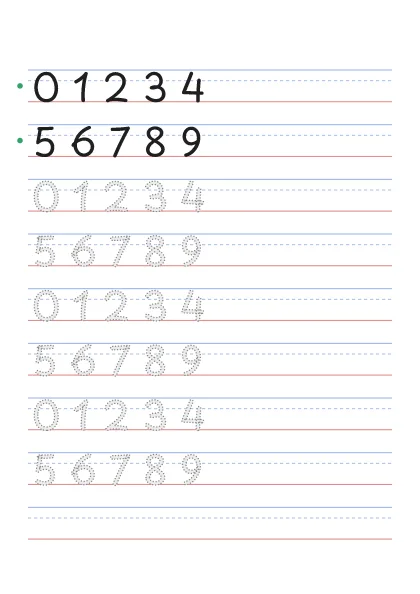
Each sheet starts with dark model rows of five numbers each, then the same rows dotted to trace, then an empty row to write the numbers alone. Use 1–10 first, move to 1–20 once the single digits are easy, and use 0–9 when your child is ready to learn zero as a number.

One number per page: 0 to 20

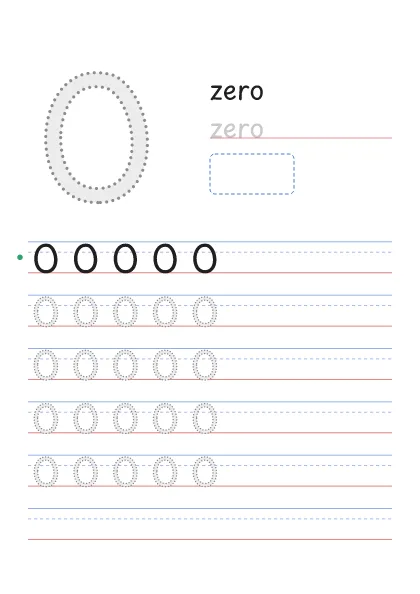
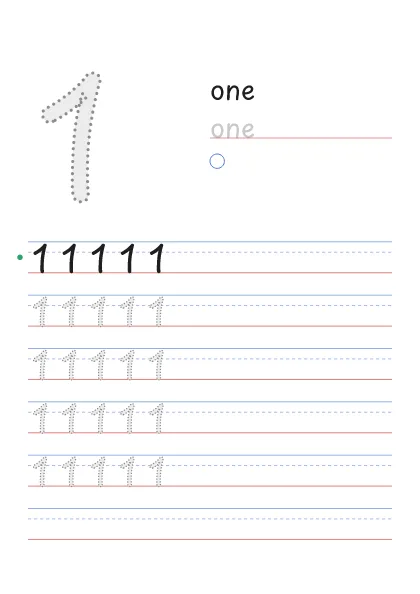
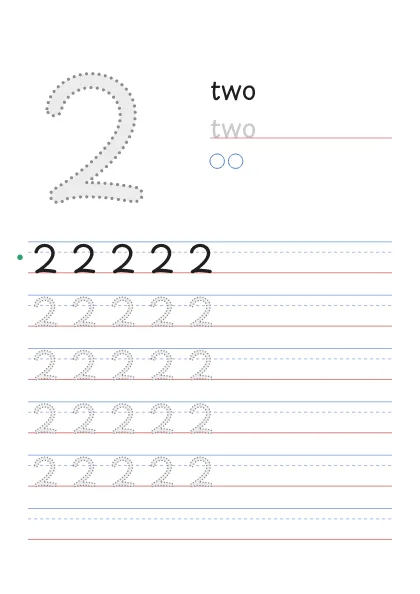
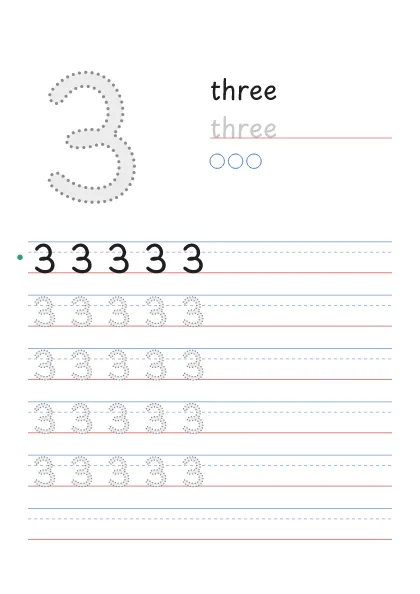
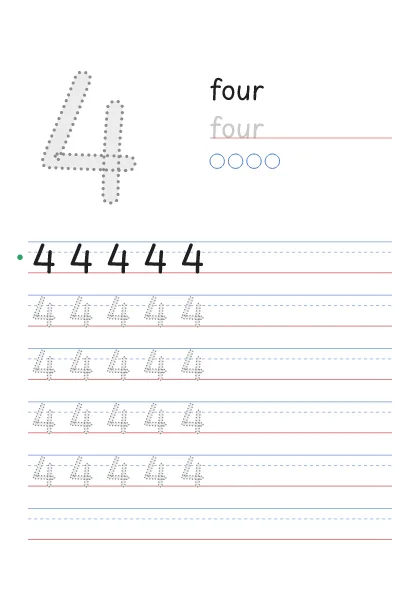
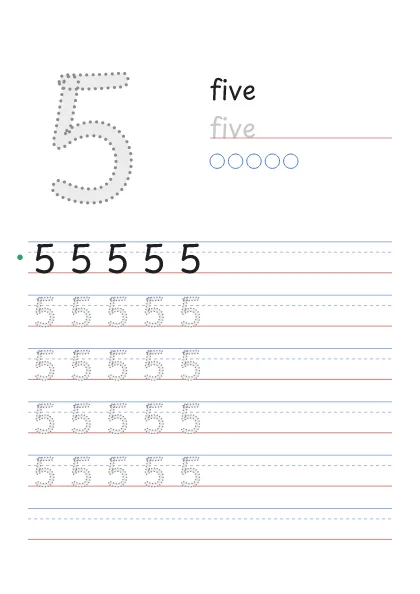
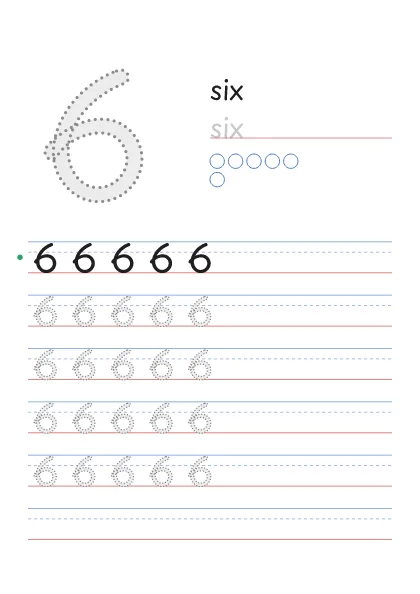
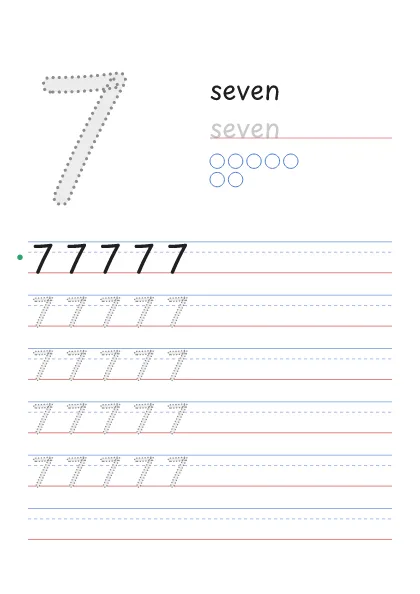
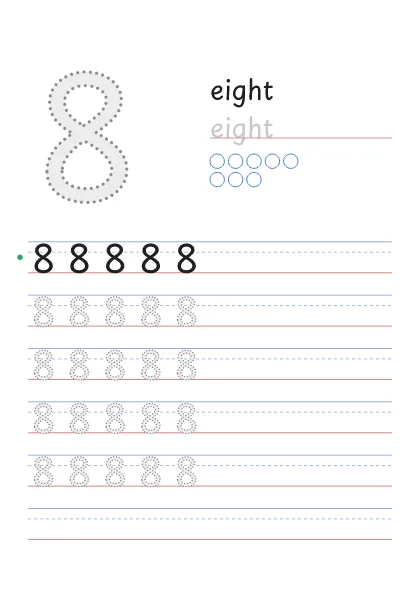
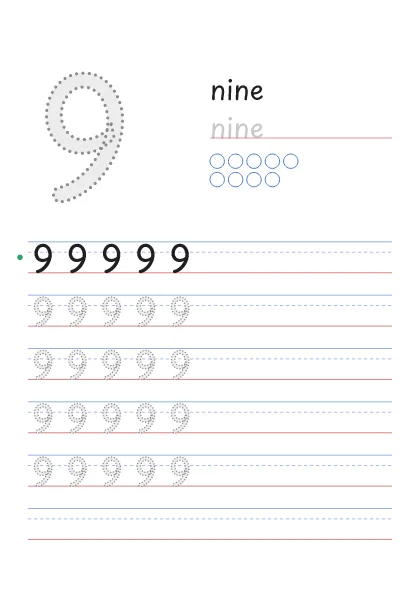
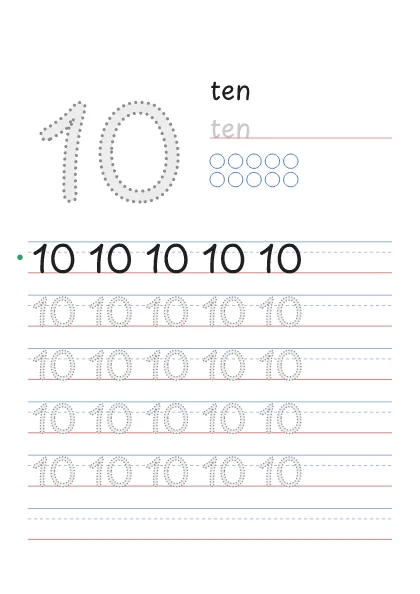
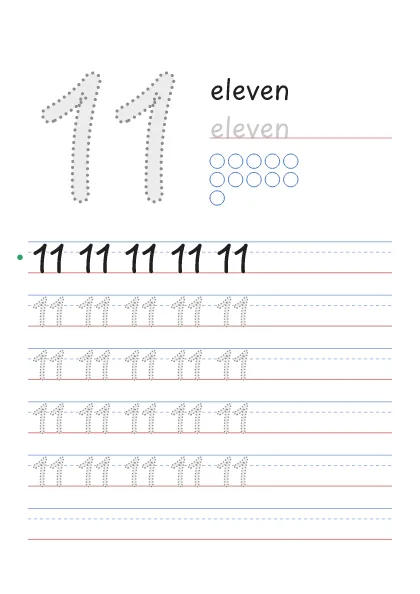
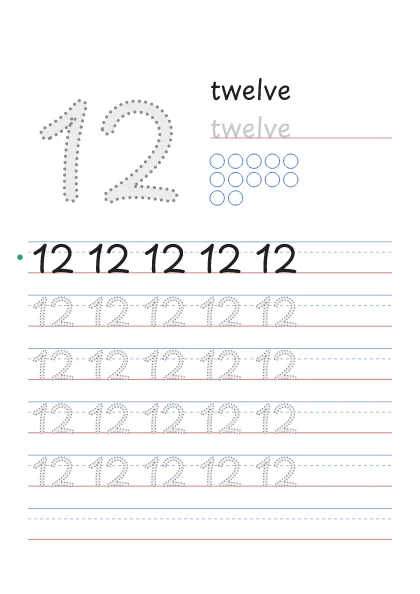
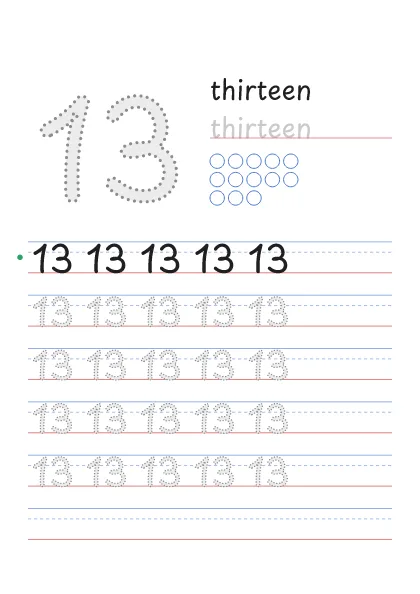
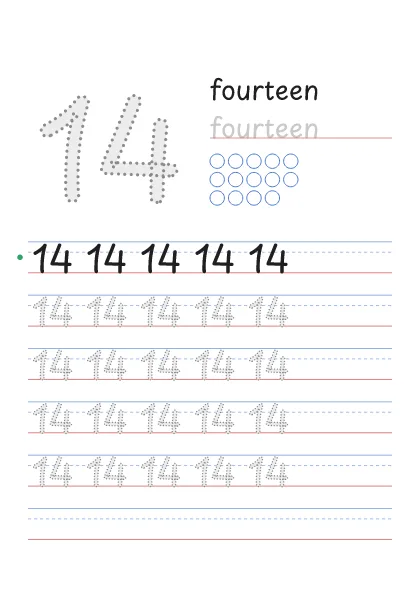
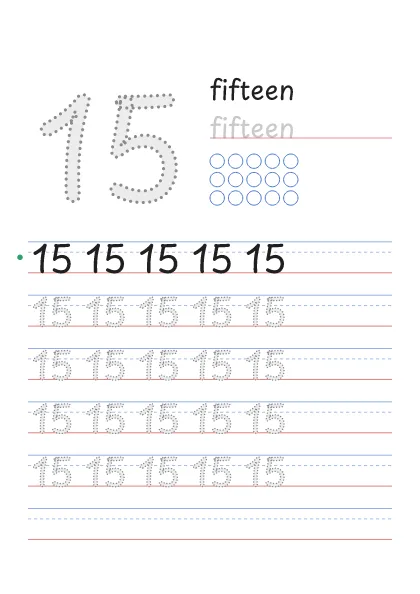
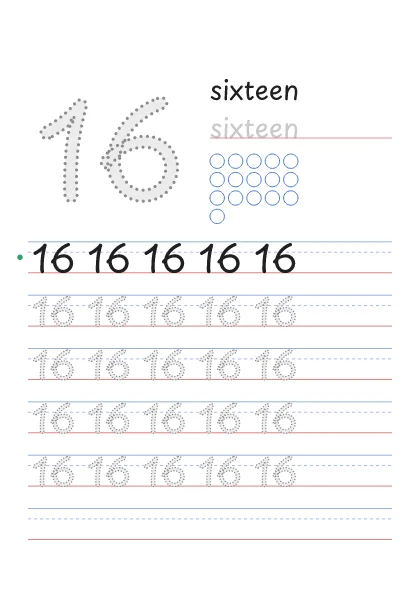
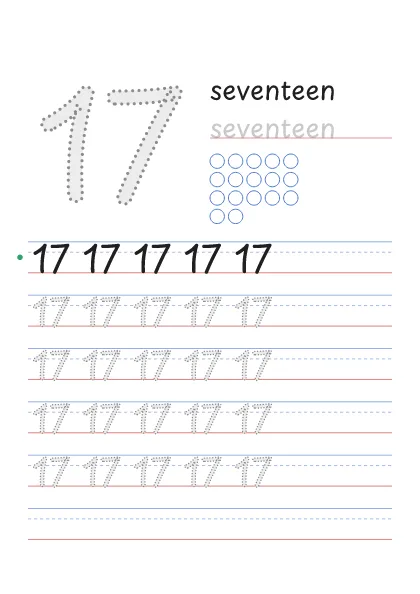
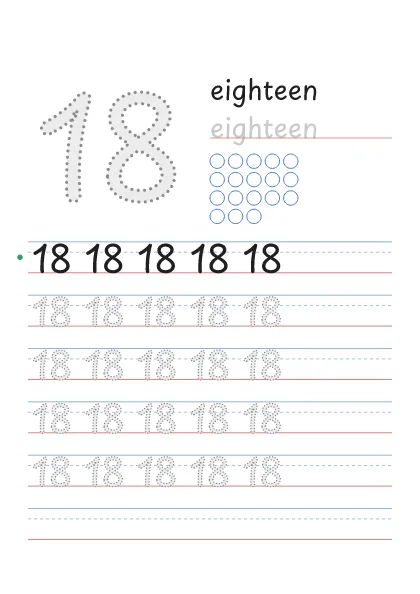
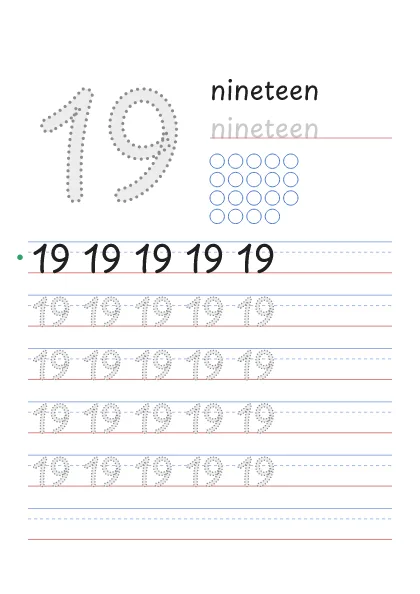
These pages teach one number at a time. The big dotted number at the top is for tracing with a finger first, then a crayon. Next to it is the number word (one, two, three) to read and trace, and below that one circle for every unit to count and color, so the number has a meaning, not just a shape. Tap a number to open its page in the PDF, or download all 21 number tracing pages.

How to write numbers 0 to 9

Almost every number starts at the top. Show the start point, say the movement out loud while your child traces, and let them copy the words as they go. These are the movements used on the worksheets:

  • 0: start at the top and curve down to the left, all the way round and back up, like the letter O but a little narrower.
  • 1: one straight line from the top line down to the baseline. A small flag at the top is optional.
  • 2: start at the top left, curve over to the right, slide down to the bottom left, then a straight line along the bottom.
  • 3: two bumps facing right: curve round to the middle, then curve round again to the bottom.
  • 4: two strokes. Down and across like an L, then lift the pencil and draw the long line straight down through it.
  • 5: go down first, make a round belly to the right, then lift and add the flat hat on top last.
  • 6: start at the top and curve down the left side into a small loop at the bottom.
  • 7: a line across the top, then a slanted line down to the baseline.
  • 8: start at the top, curve down like an S, then come back up to where you started without lifting the pencil.
  • 9: a small circle at the top, then a straight line down from its right side.

Numbers 10 to 20 are two digits side by side. Keep both digits the same height and leave a small gap, so 12 does not look like one shape. The 1 always comes first in the teens, which is a nice pattern to point out.

Which numbers do children reverse, and what helps?

3, 5, 7, 9 and 2 are the numbers most often written backwards, and the teens get swapped (31 for 13). This is normal up to about age 7. Tracing helps because the start dot and the dotted path show the right direction every time. Say "start at the top" before each number, and put a small sticker on the left side of the page as a reminder of where each row begins.

Number tracing by age

  • Ages 3–4: one number per page, starting with 1, 0 and 7 (straight lines and a simple curve). Trace the big number with a finger, then a crayon. Count the circles together.
  • Ages 4–5: the 1–10 sheet in dotted style. Ask your child to say each number while tracing it, and to color the right number of circles on the single-number pages.
  • Ages 5–6: the 1–20 sheet, then the empty rows. Switch the maker to Outline or Gray when dotted feels easy, and try the cursive digits for variety.

Make it a counting activity

Tracing a 5 is more useful when the child also knows what five means. On the single-number pages, color the circles one by one while counting, put five small objects (buttons, raisins, blocks) on the circles, or draw five dots of your own in the empty row. For bigger numbers, color the circles in groups of five, which is the start of counting by fives.

Want numbers in a fun style? See bubble numbers to color or graffiti numbers for older kids, and trace letters with the letter tracing worksheets.

Questions people ask

Are these number tracing worksheets free?

Yes. Print as many as you need for home or a classroom, with no watermark. The maker builds the sheets in your browser, and the PDFs on this page are free to download too. For selling printed copies, read the license first.

At what age should a child trace numbers?

Most children can start tracing numbers between 3 and 4, once they can draw a line and a circle on purpose. Start with one number per page and the biggest shapes, then move to rows of numbers around age 4 or 5. Counting objects at the same time matters as much as the tracing.

Should I teach numbers 1–10 or 1–20 first?

Start with 1 to 10. The teens are two digits each and only make sense once the single digits are steady. When your child can trace 1 to 10 without reversing numbers, print the 1 to 20 sheet.

Can I print number tracing worksheets on US Letter paper?

Yes. In the maker, choose US Letter or A4 under Paper before downloading, and the PDF is made at that size. Print at 100% ("actual size"). The ready PDFs on this page are A4 and print fine on Letter with "fit to page".

What is the difference between dotted, gray and outline numbers?

Dotted numbers are the classic tracing look and show exactly where the pencil goes. Gray numbers are solid light shapes, the easiest for young children. Outline numbers show only the edge, so a child can trace inside or color them in.

Get new styles and printables

About twice a month: new graffiti styles, free printables and drawing tips. Unsubscribe anytime.

Help us make it better

Found a problem, or want something added? Tell us. We read every message.

Help us make it better

We use your email only for this. Privacy policy