

Paint markers are markers filled with liquid paint instead of ink. You shake them to mix the paint, press the tip to let it flow, and draw solid, opaque color that sits on top of the surface. That opacity is what sets them apart: a paint marker can put white over black, and it works on glass, metal, wood, plastic and stone where normal markers fail.
They are sold under many names, including paint pens, acrylic markers and graffiti markers. This guide explains what is inside them, the main types, whether acrylic markers are the same thing, and where to buy paint markers.
What are paint markers?
A paint marker is a pen-shaped tool that holds pigment paint and feeds it to a felt or fiber tip. Ordinary markers use thin, transparent dye ink that soaks into paper. Paint markers use a thicker liquid with solid pigment particles and a binder that dries into a film on top of the surface.
Because the color sits on top instead of soaking in, paint markers give you:
- Opaque color that covers dark backgrounds and other colors.
- Grip on non-porous surfaces like glass, metal, plastic and glazed ceramic (how well depends on the type).
- A flat, painted look instead of the streaky look of felt-tip ink.
In graffiti, paint markers are the tool for highlights, shine marks and clean outlines in a blackbook, and for details on boards and legal walls. The best graffiti markers page compares them with alcohol markers and mops.
How do paint markers work?
Most paint markers use a valve system. Inside the barrel there is paint and a small ball (or two) that mixes it when you shake. The tip sits on a spring-loaded valve: press the tip down and the valve opens, letting paint soak into the nib. Release it and the valve closes.

That is why every paint marker comes with the same routine:
- Shake until the mixing ball rattles, then a little more.
- Prime by pressing the tip down on scrap paper a few times until color appears.
- Draw with light pressure and let the paint flow.
- Re-prime when the line starts to fade.
There are two other designs you will see. Direct-ink or cotton-core markers hold paint in a soaked core, like a normal marker, so they need little or no pumping but give a thinner layer. Squeeze markers have a soft body you press to push paint into the tip; graffiti writers use them for drippy, loose lines.
What are the main types of paint markers?
Paint markers come in three main types, named after what the paint is based on: water-based, oil-based and solvent- or alcohol-based. The base decides the smell, the surfaces the marker grips, and how permanent the result is.
| Type | Smell | Best surfaces | Durability |
|---|---|---|---|
| Water-based (including water-based acrylic) | Low | Paper, card, wood, canvas, stone, fabric | Permanent on porous surfaces; can wash off glass and slick plastic |
| Oil-based | Strong | Metal, glass, plastic, rubber, ceramics | Very permanent; weather-resistant |
| Solvent or alcohol-based paint | Medium to strong | Smooth and outdoor surfaces, rough walls | Permanent; dries fast |
Water-based paint markers are the most common for art, crafts and sketchbooks. Posca is the best-known example; read the Posca markers guide for how they behave on fabric, canvas and glass.
Oil-based paint markers, such as Sharpie’s oil-based paint markers, are sold for labeling and marking in workshops and hardware stores. They are the pick for car parts, tools, metal signs and outdoor plastic. Use them in a ventilated room.
Solvent and alcohol-based paint markers show up mostly in industrial marking and graffiti shops. They dry fast and grip hard, but they smell and are not for kids.
Are acrylic markers the same as paint markers?
Acrylic markers are one kind of paint marker, so every acrylic marker is a paint marker, but not every paint marker is acrylic. “Paint marker” is the umbrella term. “Acrylic marker” means the paint inside uses an acrylic binder, usually in a water base.
In practice:
- Acrylic paint markers (for example Molotow ONE4ALL and Montana Acrylic) are water-based, low-smell, very opaque and grip a wide range of surfaces once dry. They are the closest thing to acrylic paint in a pen.
- Other water-based paint markers behave in a similar way, and many shops list them as acrylic markers even when the maker does not.
- Oil-based paint markers are paint markers but not acrylic. They grip slick surfaces harder and smell stronger.
If a project needs to survive outdoors or on smooth surfaces, check the label for “acrylic” or “oil-based” and plan to seal water-based work with a clear varnish.
What surfaces can you use paint markers on?
Paint markers work on almost anything if you match the type to the surface:
- Paper and card: water-based. Use thick paper so the paint does not wrinkle it.
- Canvas: water-based or acrylic, on primed canvas.
- Wood: water-based or acrylic. Sand lightly and wipe off dust first; seal if outdoors.
- Rocks and stone: water-based or acrylic, then seal. Rock painting is one of the most popular uses.
- Glass and mirrors: water-based for removable window art, oil-based for designs that should last.
- Metal and plastic: oil-based or acrylic. Clean off grease with rubbing alcohol first.
- Fabric: water-based or acrylic, heat-set with an iron. Dedicated fabric markers hold up better in the wash.
- Ceramics: decoration only. Keep paint away from rims and anywhere food touches.
On any smooth surface, clean it first. Fingerprints and grease are the most common reason paint peels.

Where can you buy paint markers?
You can buy paint markers in art supply stores, craft chains, office supply stores, hardware stores, graffiti shops and online marketplaces. Which one is best depends on the kind of marker you want.
Short on time? Jump to the paint markers worth trying.
Art supply stores
The best place for artist-grade water-based and acrylic paint markers in a wide range of colors and tip sizes. Staff can usually tell you which brands they carry in singles, so you can try one before buying a set.
Craft chains
Large craft stores stock paint markers for rock painting, DIY projects and kids’ crafts, often in multi-color sets. A good choice for beginners and for budget sets.
Office supply and hardware stores
These are where you find oil-based paint markers for labeling metal, wood, plastic and tools, plus touch-up paint pens for cars and appliances. Color choice is limited, but the markers are tough.
Graffiti shops
Graffiti and mural supply shops, in town or online, carry specialist brands such as Molotow, Montana and Krink, plus squeeze markers, mops, empty markers, refill paint and spare tips. If you want wide tips or refills, this is the place.
Online marketplaces and brand stores
Big online marketplaces carry almost every brand and the widest range of sets. The catch is counterfeits: popular markers like Posca get copied. Buy from the brand’s official store or authorized sellers, check the seller name and reviews, and be wary of prices far below what art stores charge.
Where to get paint markers near you
Search your map app for “art supply store” or “craft store” first, since those carry the most colors. If you only need a black or white marker for labeling, an office supply or hardware store nearby will usually have one.
How do you choose a paint marker?
Choose by surface first, then by tip size:
- Surface: water-based for paper, canvas and wood; oil-based or acrylic for metal, glass and plastic.
- Indoor or outdoor: outdoors means oil-based or acrylic, plus a varnish on water-based work.
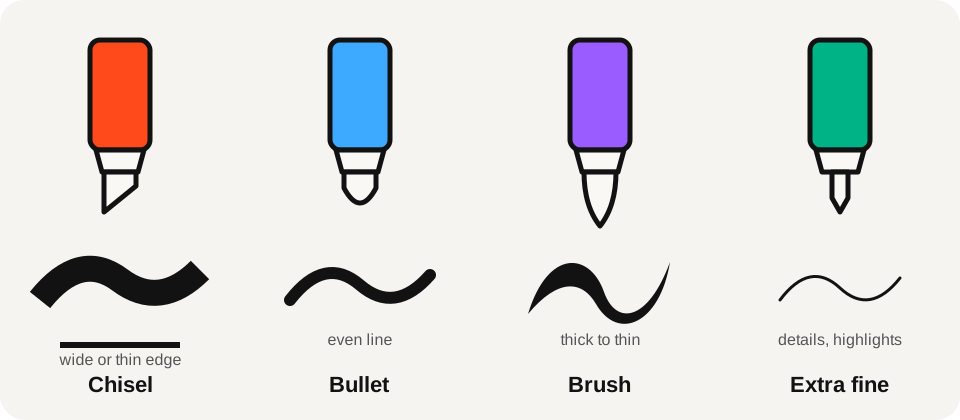
- Tip size: extra-fine and fine for detail, medium for most drawing, broad and chisel for fills.
- Refillable or not: refillable markers cost more up front but last longer if you draw a lot.
- Who is using them: for kids, choose water-based markers labeled non-toxic and skip oil-based and solvent ones.

For graffiti letters on paper, a white fine paint marker for highlights and a black one for outlines are the two most useful you can own. Try your color scheme in the graffiti generator before you buy, then follow the step-by-step drawing guide. When you outgrow markers and move to walls you have permission to paint, spray paint for beginners covers cans, caps and safety.